

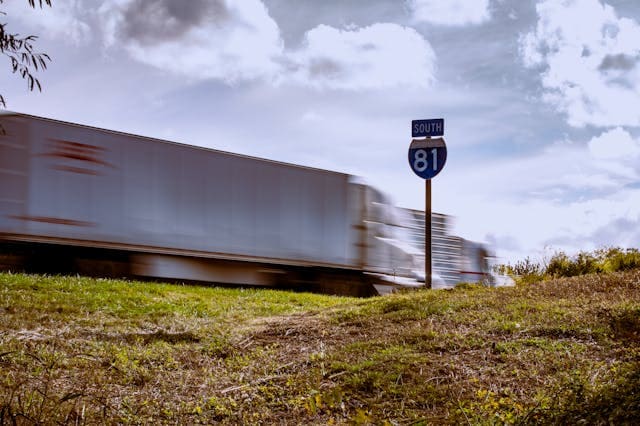
Every commercial truck on our highways is a massive container of kinetic energy. While we focus on the driver, the physical properties of the cargo dictate how a vehicle handles. A driver’s skill can be easily overridden by the hidden momentum of the load.
When a failure occurs, investigators often look at speed or logs. However, the real cause frequently lies in the trailer itself. Shifting weights and high centers of gravity are the silent catalysts for many devastating and life-altering highway wrecks.
Specialized cargo requires specialized investigation. Cases involving coal logging and refrigeration accidents involve unique physics and regulatory standards that standard car crash lawyers often miss. This technical knowledge is the only way to build a successful and professional claim for your future today.
Load Securement Failure and Federal Logging Protocols
Logging trucks present one of the most visible risks on our high-speed routes. A single loose strap or a faulty chain can turn a heavy timber load into a series of lethal projectiles for unsuspecting following motorists.
The FMCSR has very specific rules regarding load securement for timber. These protocols require high-tension chains and specific placement to prevent logs from rolling or spilling onto the asphalt during a sharp and dangerous highway turn.
Proving a securement failure involves looking for snapped hardware or signs of friction on the bark. If the logs shifted before the impact, it indicates that the carrier bypassed mandatory safety checks. Identifying these violations is essential for holding the trucking company accountable for their lack of professional and required oversight on the road.
The Reefer Weight Factor and Dynamic Stability Issues
Refrigerated trailers, commonly known as “reefers,” carry an extra layer of complexity due to the heavy cooling units mounted on the front. This hardware adds thousands of pounds to the vehicle’s total weight and changes how the vehicle handles.
This additional mass significantly impacts the truck’s braking distance and its overall center of gravity. A driver used to pulling dry vans may not account for the way a heavy reefer pushes the tractor during a sudden and emergency traffic stop.
Furthermore, the fluid nature of some refrigerated goods can create a “slosh” effect within the trailer. This internal movement creates a rhythmic surge that can overcome the vehicle’s stability during a high-speed maneuver. Understanding these physics-based variables is a vital part of a professional investigation into a traumatic refrigerated truck collision.
Coal Hauler Blind Spots and Rural Infrastructure Risks
Coal haulers operate in challenging environments, moving between rural mining sites and processing plants. These trucks are often caked in dust and debris, which can easily obscure mirrors and lighting systems during a long and grueling shift.
The visibility challenges for these industrial vehicles are immense due to their sheer height. Drivers often struggle to spot smaller passenger cars that linger in the massive “No-Zones” beside the trailer or directly behind them on the road.
Many accidents occur at narrow rural junctions where coal haulers must take wide turns to avoid tipping the heavy load. Understanding the specific logistics of the mining industry is essential for identifying why a driver failed to yield. Professional analysis of the route and the load weight is the key to proving liability.
Third-Party Loader Liability and Load Instability
It is a common misconception that the trucking company is always the only responsible party. In reality, the third-party company that loaded the trailer often shares a significant portion of the legal and financial liability for the crash.
If a warehouse improperly balanced the weight or used inadequate dunnage, the driver was set up for failure. An unstable load can cause a jackknife even if the operator follows every local and federal traffic law with total precision and care.
Untangling these corporate relationships requires a methodical review of the shipping manifests and loading dock logs. Identifying the true source of the instability is a vital part of a professional and thorough investigation. High standards in evidence gathering ensure that all negligent parties are held accountable for the resulting physical and emotional harm.
Proving Negligence Through Cargo-Focused Forensics
Summarizing these complex cases reveals that the “what” and “how” of the cargo are the most important pieces of the puzzle. You cannot prove negligence by looking at the tire marks alone after a high-speed impact.
Every industrial claim requires an advocate who understands the intersection of physics and federal law. By focusing on the specialized nature of the shipment, your legal team can uncover the truth behind the wreckage and the cause.
Ultimately, the goal is to secure the resources your family needs to recover from a catastrophic event. High standards in investigation lead to more stable and successful outcomes for victims of cargo-related negligence. Reclaiming your peace of mind starts with a commitment to a deep and professional forensic look at the entire mission.