

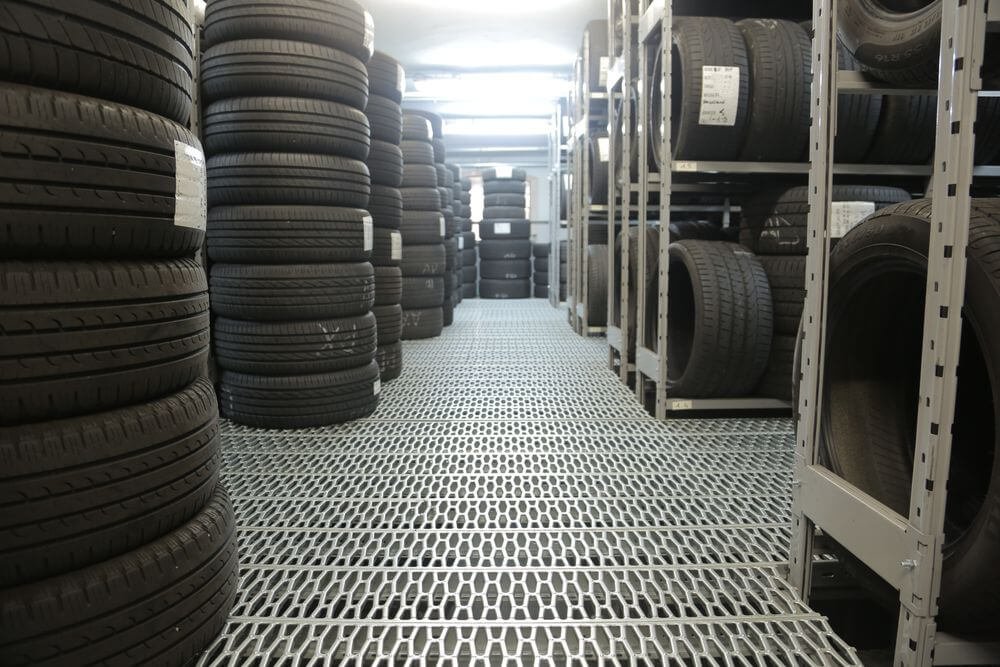
Let’s describe an average day at a modern tire shop. Its the early hours of the morning. One of the customers is standing at the counter. One of the technicians requires a tire replacement. The phone keeps ringing. Your service advisor holds one caller and picks up another, and writes a note that may not be reflected in the system later.
Nothing is broken in this system, but everything is stretched.
This is the silent pressure that contemporary tire stores face daily. This silent pressure arises not out of ineptitude or unproductiveness but because an excessive number of conversations are simultaneously taking place.
Modern-day customers dislike waiting in the first place. They seek rapid response, speedy reservations and transparent communication. And leaving them hanging means losing customers.
This is why AI receptionists are seriously gaining traction in 2026. They are not playing as a trick or as substitution of your team. But as an insurance that never fails.
These are six AI receptionist tools that allow tire shops to remain responsive without overwhelming their front desk.
AutoLeap AIR
AutoLeap is an all-in-one shop management software for auto repair shops built to centralise operations, improve visibility, and simplify growth. Its AI layer, AutoLeap AIR, extends that same philosophy to customer communication.
This isn’t a disconnected answering bot. It’s embedded into the shop’s daily workflow.
When a customer calls about tire availability, pricing, or scheduling, AutoLeap AIR doesn’t just give a generic response. It acts responsibly.
- It books appointments in real time
- It references existing customer history
- It syncs directly with the shop calendar
Because it lives inside the management system, conversations turn into confirmed jobs automatically. For tire shops that want automation without fragmentation, this level of integration changes everything.
Autogenie.ai
Autogenie.ai focuses specifically on automotive businesses. It’s designed to answer inbound calls, respond to common service questions, and book appointments.
Its strength lies in natural call handling. It can manage high call volumes during peak tire season. That alone makes it appealing to shops that struggle during the winter and summer rush.
However, it operates more as a standalone layer. Its Integration depth depends on your existing system. Still, for shops prioritising call coverage, it’s a strong contender.
Smith.ai
Smith.ai has been in the AI receptionist space for years. While not automotive-exclusive, it provides live-agent backup combined with AI handling.
For tire shops, this hybrid model can be useful. AI answers first. If complexity rises, a live assistant steps in.
Its advantages include:
- Call answering and routing
- Lead qualification
- Appointment booking
- Outbound follow-ups
The limitation? It’s not purpose-built for automotive workflows. Customisation may require more setup time.
AutoService AI
AutoService AI is tailored specifically for repair and tire shops. It focuses on conversational booking and service reminders.
Where it stands out is in handling repeat customer interactions. It remembers service intervals. It nudges customers when rotations or seasonal swaps are due.
For tire shops running recurring service campaigns, this proactive approach can increase retention. However, integration depth varies depending on the shop management system you use.
Podium
Podium is widely known for messaging and customer communication tools. Its AI receptionist component works across web chat, SMS, and phone.
For tire shops heavily focused on reviews and customer engagement, Podium offers:
- Automated review requests
- AI chat responses
- Missed-call text back
- Payment messaging
It’s strong on front-end communication and less so on deep operational integration. But if your shop’s biggest bottleneck is response speed, Podium addresses that directly.
Whippy.ai
Whippy.ai focuses on conversational automation via SMS and voice AI. It’s built for businesses that want to replace repetitive call handling with intelligent automation.
For tire shops, it helps:
- Convert inbound calls into booked jobs
- Send reminders and confirmations
- Follow up on missed estimates
Its system is efficient. Clean and designed for speed.
Like many standalone AI tools, though, its impact depends on how well it integrates with your shop software.
Why AI Receptionists Matter More in 2026
Tire shops operate in waves. They are swinging between winter tires, summer road trips and fleet servicing contracts.
This is the reason why in the peak months, call volumes soar, and when unanswered, the customer hangs up and proceeds.
AI receptionists eliminate that bottleneck. These AI receptionists
- Answer instantly
- Reduce missed revenue
- Enhance booking stability.
- Liberate employees to concentrate on in-store shoppers
Better still, they generate predictable communication. And predictability develops credibility. Stores that embrace AI are not ousting humans. They are safeguarding their time.
The Bigger Picture
AI receptionists are potent. But they can be truly helpful when linked to the operating system of your shop.
That is why integration is more important than features. An independent bot is only capable of responding to calls. However, a cohesive system can spur development.
With your AI aware of your parts inventory, technician schedules, labor times and customer history, it ceases to be a tool. It becomes infrastructure.
Final Thoughts
Tire shops in 2026 are not fighting based on price only. They are competing over speed, access, and customer experience. The phone still matters. What is more important is how it is answered.
Solutions such as Autogenie.ai, Smith.ai, AutoService AI, Podium, and Whippy.ai are all value additions at the table. They address actual communication dilemmas.
However, when AI inhabits the management ecosystem of your shop, it will be more than a receptionist. It becomes a growth engine. And that is where AutoLeap AIR comes in. The future of tire shops is not only automated. It’s connected.