

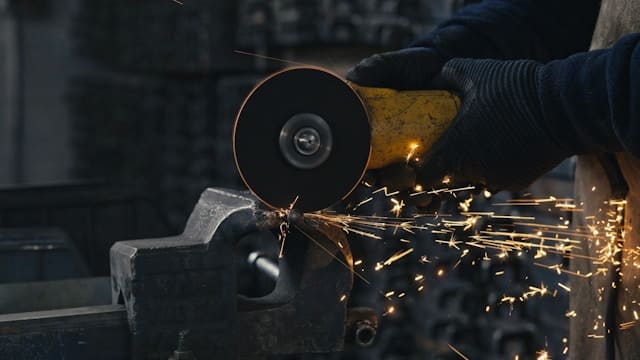
Fabrication is at the centre of heavy industry, shaping everything from towers and bridges to the machinery that keeps production lines moving. What truly matters, though, isn’t just the act of putting pieces together; it’s the transformation of raw materials into strong, accurate structures built to meet demanding standards, which is why sourcing the right partner for quality fabrication services for heavy industry is so important.
Solid fabrication plays a huge part in keeping projects safe, efficient, and sustainable, whether it’s powering up a power station or making sure the frame of a new building stands the test of time. In construction, quality fabrication helps buildings and infrastructure stay sound for years. In manufacturing, it’s the difference between reliable machinery and endless hiccups on the factory floor.
If the quality slips, the consequences aren’t small—think costly delays or safety risks that nobody wants to deal with. That’s why high standards in fabrication aren’t just recommended; they’re essential to keeping both budgets and people safe.
Beyond just constructing things, fabrication also involves creating the parts that fit perfectly into larger systems, all of which is key to a project’s lasting reputation and success.
Understanding Quality Fabrication
Fabrication stands as the essential link between raw materials and finished, reliable structures in every project—think of it as the stage where big ideas start taking real shape. It’s not just a matter of cutting metal or sticking parts together. Quality fabrication means transforming basic steel, aluminium, or other metals into components that are both tough and precisely built to demanding standards.
The entire process kicks off with design and planning. Here, engineers sketch out every detail, from the overall feel of the structure down to the smallest connection. If these plans aren’t spot-on, the rest of the project can falter before it’s begun.
Next comes cutting and shaping. Using tools like lasers, powerful saws, or plasma machines, materials are trimmed to very tight tolerances. This is not the time for guesswork—one slip and you have wasted material or a part that doesn’t fit.
Then there’s welding and assembly. Every piece has to be joined with careful alignment and strong welds. If parts are even slightly off, the stability of the entire build could be at risk.
Finishing is often where quality craftsmanship really shines through. Sanding, coating, and painting don’t just make steel or aluminium look smart—they also defend against weather, corrosion, and daily wear.
Every step must be managed with close attention and skilled hands. Get any part of it wrong, and you might end up with project setbacks, extra costs, or worse, structures that don’t last. When every stage is handled with focus and expertise, the result is a final product you can trust to perform safely and stand the test of time.
The Role of Quality Control in Heavy Industry Fabrication
Precision, durability, and consistency are absolutely vital in heavy industry fabrication. Fields like Power Generation, Mining, Cement, Steel, and Asphalt put huge stress on fabricated components, expecting them to push through relentless workloads and tough environments day in and day out. Consistent quality checks are the unsung heroes that help these parts meet demanding requirements, keeping unexpected breakdowns and safety risks firmly at bay.
Quality control isn’t just something that gets bolted on at the end of the process. It’s built into every step, from making sure raw materials are up to scratch, cutting and prepping plates, nailing the fit of each part, and double-checking welds for strength, through to careful measurements and that all-important finishing touch. Letting standards slip at any of these points could mean parts fail when you least expect it—cracked joints, dodgy welds, or costly downtime nobody asks for.
Building these checks into every phase, right from the first material inspection to signing off the last detail before shipping, means problems are stopped before they turn into disasters. This kind of commitment boosts trust and performance while sparing both wallets and reputations from the fallout of failures or delays.
Industry Standards and Certifications
ISO 9001:2015 is one of the most recognised certifications in heavy industry for a good reason. It acts as a gold standard for quality management systems, ensuring every fabricated component—from power station parts to mining equipment—is monitored and logged throughout each stage of manufacturing. This close attention to detail keeps surprises to a minimum.
Having certification like ISO 9001:2015 means there’s a clear set of rules for how things are made, and that brings repeatability and reliability. Customers in heavy industry can feel reassured that the parts they receive measure up to the tough requirements needed on-site. Fewer surprises in quality also means fewer costly failures down the line.
ISO 9001:2015 is not just a box to tick. It demands that companies actively spot and sort out potential problems before they cause any real trouble. This way, errors get caught early, and everyone saves time, money, and headaches.
Trust is everything in heavy industry. When a facility takes certifications like ISO seriously, it shows through in reliable, high-quality components that stand up to expectations and safety standards. At its core, being ISO-certified is about sticking to a cycle of improvement and making sure each part is built to last and ready for the jobs that matter most.
Why Quality is Non-Negotiable
Quality fabrication isn’t something you can afford to cut corners on. Getting it right is what makes structures safe, strong, and able to withstand daily stresses—whether you’re talking about a skyscraper frame or the vital guts of industrial machinery.
Safety standards exist for good reason. Each weld, bolt, and beam that falls short of these standards increases the risk of disaster. An error as simple as a messy weld or a sloppy measurement can spell trouble for an entire structure. In real terms, it can mean not just wasted money fixing mistakes, but genuine risks to lives. That’s why quality in fabrication is at the centre of every successful project.
It might be tempting to go with cheaper options at the start, but the long view tells a different story. High-quality work doesn’t just guarantee safety; it saves money in the long run. When you use top-grade components and care, you get structures that don’t need constant patching up. The result? Fewer repairs, less downtime, and more value for your investment.
On top of that, quality fabrication means less material goes to waste, projects run to schedule, and there are fewer unexpected hiccups along the way. The outcome is straightforward: projects finish as planned, costs stay reasonable, and everyone involved sleeps a bit easier at night.
Technological Advances in Fabrication
Technology has completely reshaped fabrication, raising the bar for both accuracy and speed. CNC plasma cutting and robotic welding now lead the way, making light work of intricate designs and reducing waste in the process.
CNC plasma cutting gives operators pinpoint control. The computer-driven system moves the cutter with remarkable accuracy, turning out complex patterns and components that fit perfectly, time after time. Since the process is highly efficient, businesses save on materials and avoid costly mistakes.
Robotic welding, on the other hand, has all the patience a human can only dream of. Automated systems carry out welds to the same high standard every time, ensuring each joint is secure and reliable. The real magic? Robots don’t need breaks, so production keeps rolling at a steady pace, which really matters when deadlines are tight.
Bringing these advanced tools into the workshop isn’t just about keeping up with trends. The result is more consistent quality, fewer faults slipping through, and peace of mind that every part will meet strict standards. CNC plasma cutting and robotic welding have become the go-to choices because they help companies deliver strong, dependable products—and maintain a reputation for excellence in an industry that keeps moving forward.