

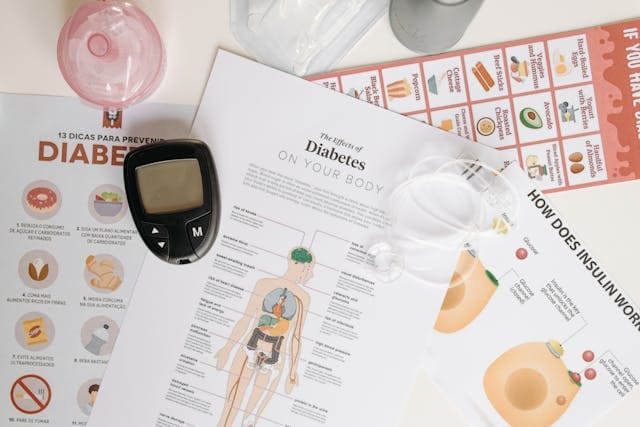
Clinicians discuss patient motivation as if willpower were pollen. It doesn’t. Boring notes, summaries, and printouts have it. A hasty conversation becomes something patients may read, question, and document. Patients view treatment plans as shared agreements rather than unexplained directives when the record is clear, consistent, and human. When it is unclear or chaotic, trust diminishes, uncertainty rises, and adherence silently collapses, often without anybody knowing until harm occurs.
Clarity Beats Heroic Speeches
Most patients don’t remember half of what doctors say. Not stupid. From stress and overburden. Missing elements are saved by clear documentation. A concise strategy that lists medications, doses, timing, and danger signs can guide you. No jungle jargon. No mysterious abbreviations or acronyms. A professional medical scribe company can clean up notes, align terminology across teams, and reduce verbal clutter. Clarity eliminates patient guesswork. Guessing causes anxiety or overconfidence. Both damage compliance. Patients feel confident acting at home with precise notes.
Consistency Builds Quiet Trust
After reading a clinic letter, a patient checks an app that suggests another. Self-confidence fades. Treatment instructions feel reliable when GP, hospital, and community records match. That steadiness matters more than fancy gear. Consistency indicates team communication. Patients perceive and act on that joined-up thinking. The number of missed dosages and appointments increases. With little drama, confidence builds when written records match real experience and when verbal counsel from different professionals on different days aligns.
Tone Turns Instructions Into Partnership
Cold, command-style notes push patients into silent resistance. They nod in the clinic, then ignore half the plan at home. A warmer, plain tone that explains the reason behind each step changes the psychology entirely. The plan feels negotiated, not imposed. Phrases that acknowledge difficulty, offer options, and suggest support reduce shame when people slip. This approach lessens the binary mindset that undermines chronic care. Instead of abandoning treatment after one missed dose, patients feel invited to restart. The shift in tone costs nothing. The gain in adherence is enormous and measurable over time.
Structure Guides Daily Behaviour
Information alone never changed a habit. Structure does. Good documentation breaks treatment into daily, weekly, and review actions. It links tasks to everyday routines, such as meals or bedtime. That structure travels into pillboxes, reminder texts, and family conversations that keep plans alive. Vague advice, such as ‘take regularly,’ dissolves under pressure from work, fatigue, and chaos. Structured notes survive real life. They help carers step in without having to guess. They allow pharmacists to spot clashes. Every clear bullet point is a small behavioral nudge toward actually following the plan in messy everyday conditions.
Conclusion
Health systems often prioritize shiny technology over simple clinic letters and discharge summaries. Those documents quietly steer behavior long after the consultation ends. High-quality records give patients a story of their illness that makes sense and a plan that fits daily life. Poor notes do the opposite. They confuse, contradict, and patronize. Adherence is then blamed on patient attitude rather than on documentation failure. Once teams treat written records as a core treatment tool, not an afterthought, adherence becomes measurable, improvable, and openly shared across services.