

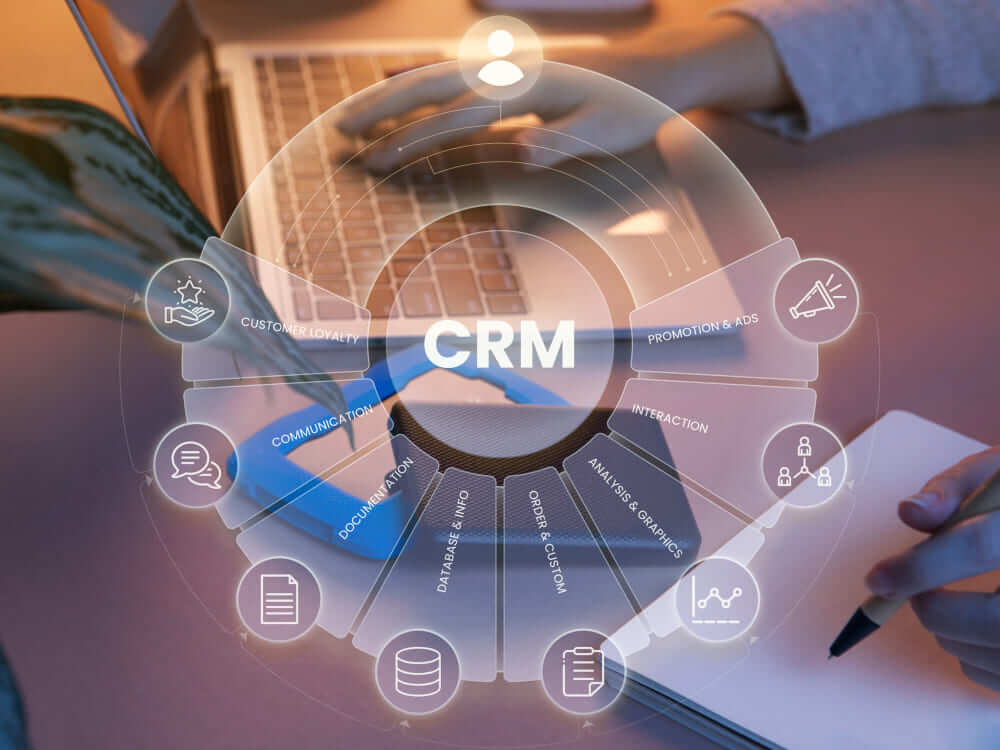
In the modern business landscape, data is the lifeblood of decision-making, efficiency, and operational excellence. Companies continually strive to optimize their data management practices by migrating and converting data across various systems, particularly in the context of Enterprise Resource Planning (ERP) and Customer Relationship Management (CRM) systems. When it comes to streamlining these processes, out of the box technology has emerged as a game-changer, providing businesses with seamless solutions to simplify data migration and conversion.
This article will explore the intricacies of data migration and conversion for ERP and CRM systems, focusing on how out-of-the-box technology can enhance these critical processes. We will delve into the challenges, benefits, and best practices associated with these operations, offering valuable insights for businesses looking to optimize their data management strategies.
The Importance of Data Migration and Conversion for ERP and CRM Systems
Data migration and conversion are essential processes when organizations decide to upgrade, switch, or integrate ERP and CRM systems. ERP systems encompass a wide range of functions, from financial management to supply chain coordination, while CRM systems focus on improving customer interactions and tracking sales leads. As businesses evolve, they may need to migrate data between different versions of these systems or even between completely different platforms.
For ERP and CRM systems to function optimally, data must be accurate, timely, and compatible with the system’s architecture. A well-executed migration ensures that all historical and operational data—from inventory records to customer interactions—remains intact and accessible, minimizing disruption to day-to-day activities.
However, without effective data conversion processes, migrating data between systems can be an overwhelming and error-prone task. This is where out of the box technology comes into play. By utilizing pre-configured, ready-to-use tools, organizations can streamline the entire migration and conversion process, reducing the complexity involved in data transformation and ensuring a smooth transition to a new system.
The Role of Out-of-the-Box Technology in Data Migration
Out-of-the-box technology refers to pre-built solutions that are designed to be easily implemented without the need for extensive customization. These tools are typically tailored for specific functions, such as data migration and conversion, and come with user-friendly interfaces, robust integration capabilities, and built-in compatibility with a wide range of data formats and system architectures.
In the context of data migration for ERP and CRM systems, out of the box technology offers several advantages over traditional, custom-built approaches:
- Speed and Efficiency: Pre-configured solutions significantly reduce the time required to migrate data. Since they are designed to work with a wide range of ERP and CRM systems, businesses can deploy these tools quickly, ensuring minimal downtime during the migration process.
- Reduced Complexity: Out-of-the-box tools come with pre-set workflows and templates, which eliminate much of the complexity that would otherwise be involved in designing custom migration processes. These solutions are optimized for data extraction, transformation, and loading (ETL), making it easier to manage large datasets.
- Cost-Effectiveness: Developing a custom solution for data migration and conversion can be resource-intensive and costly. In contrast, using out of the box technology helps businesses save on development costs and operational overhead, as they don’t need to invest in custom programming or extensive technical resources.
- Built-in Best Practices: Many out-of-the-box tools incorporate industry best practices and standards for data migration, ensuring that businesses adhere to regulatory requirements and avoid common pitfalls, such as data loss, corruption, or duplication.
Key Considerations for Data Migration in ERP and CRM Systems
Although out of the box technology can simplify data migration, it’s crucial for organizations to consider several key factors to ensure the process goes smoothly and achieves the desired outcomes.
Data Quality Assessment
Before migrating data, it’s essential to conduct a thorough data quality assessment. Data inconsistencies, inaccuracies, and duplications can lead to significant problems during the migration process. A clean-up effort should be undertaken to identify and rectify issues before data is transferred to the new system.
Out-of-the-box migration tools often include features to help businesses identify and address data quality issues, ensuring that only clean, accurate data is migrated to the new system.
Data Mapping and Transformation
Data mapping and transformation are crucial steps in the migration process. These processes involve aligning the data from the old system with the structure and format of the new system. For example, customer records in the old CRM system may have different data fields compared to the new system, such as missing or renamed fields.
Out-of-the-box technology typically includes automated mapping features that align the data fields of the source and target systems. This automation helps to minimize errors and reduce the time spent manually mapping data.
Testing and Validation
Once the migration plan is in place, it’s important to conduct comprehensive testing and validation before finalizing the process. This includes verifying the accuracy and completeness of the data, checking for any discrepancies, and ensuring that the new ERP or CRM system is fully functional with the migrated data.
Many out of the box technology solutions come with built-in testing tools, allowing businesses to test the migration process in stages. These tools often generate reports to highlight potential issues, making it easier for organizations to address problems before they affect the entire system.
Data Security
Data security is a paramount concern during any data migration process. Sensitive business information, such as financial records or customer details, must be safeguarded against unauthorized access or breaches.
Out-of-the-box migration tools often incorporate robust security measures, such as encryption and secure data transfer protocols, to protect data during the migration process. Additionally, these tools may comply with industry regulations such as GDPR or HIPAA, ensuring that businesses remain compliant while handling sensitive data.
Benefits of Using Out-of-the-Box Technology for Data Migration
Implementing out of the box technology for data migration and conversion offers numerous benefits to businesses. Beyond the speed, efficiency, and cost-effectiveness mentioned earlier, here are some additional advantages:
1. Scalability
As businesses grow, their data needs evolve. Out-of-the-box migration tools are often highly scalable, allowing organizations to handle increasing volumes of data without compromising on performance or reliability.
2. Flexibility
Out-of-the-box solutions are typically designed to support a wide range of ERP and CRM systems, including popular platforms such as SAP, Oracle, Salesforce, and Microsoft Dynamics. This flexibility allows businesses to migrate data between different systems without being tied to a specific vendor or platform.
3. Improved Data Governance
With built-in features for data validation, transformation, and compliance, out-of-the-box migration tools help businesses maintain strong data governance practices. This ensures that the integrity, privacy, and security of data are upheld throughout the migration process.
4. Future-Proofing
As technology continues to evolve, businesses must ensure that their systems remain up-to-date and capable of handling new data formats and integrations. Many out of the box technology solutions are regularly updated to support new platforms, features, and compliance requirements, helping businesses stay future-proofed and ready for whatever changes come next.
Best Practices for Data Migration and Conversion
To maximize the benefits of out of the box technology during data migration and conversion, businesses should follow these best practices:
- Plan and Strategize: Start with a clear migration plan that outlines objectives, timelines, resource requirements, and potential risks.
- Involve Stakeholders: Engage key stakeholders from both technical and business teams to ensure alignment and gather feedback throughout the process.
- Monitor Progress: Continuously monitor the migration process and address any issues as they arise to minimize disruption.
- Communicate: Keep all employees informed about the changes and provide necessary training to ensure a smooth transition to the new ERP or CRM system.
Conclusion
Data migration and conversion are critical components of modernizing ERP and CRM systems, and out of the box technology offers an effective, scalable, and cost-efficient solution for organizations looking to streamline these processes. By leveraging pre-built tools that automate and simplify data migration, businesses can reduce risk, save time, and ensure that their systems remain secure, compliant, and future-ready.
Adopting best practices, focusing on data quality, and carefully selecting the right technology can help organizations unlock the full potential of their ERP and CRM systems, empowering them to drive growth, innovation, and operational excellence.