
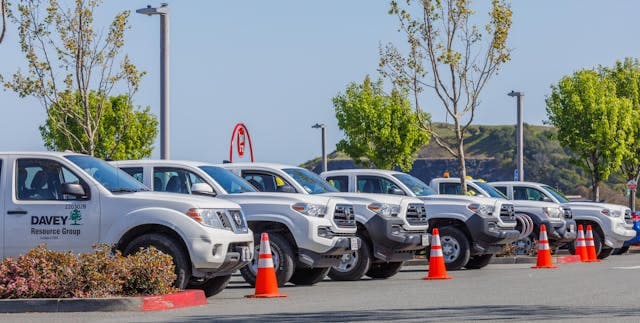
Commercial vehicles are not toys. They are tools. A delivery van, a dump truck, or a fleet of work trucks exists for one reason. To generate revenue. Every day a vehicle spends in the shop is a day it loses money. This reality shapes the entire strategy behind commercial vehicle design.
Manufacturers and fleet operators face a constant balancing act. They need enough performance to get the job done. They also need durability to keep the vehicle on the road. This balance is not simple. It dictates purchasing decisions, maintenance schedules, and long-term business planning.
The Performance Requirement: Getting the Job Done
Commercial vehicles must perform. They haul heavy loads. They climb steep grades. They log thousands of miles. A truck that cannot pull a trailer is useless. A van that struggles under its payload is a liability. This is where powertrain choice matters.
Operators need enough torque at the right RPM. They need engines that can sustain highway speeds for hours. They need transmissions that hold up under stress. This performance baseline is non-negotiable. If a vehicle cannot handle the task, nothing else matters.
A perfect example is the 5.3 Vortec engine. It became a staple in Chevrolet Silverados and GMC Sierras for a reason. It delivers reliable, usable power for towing and hauling. It is not the most powerful option. It is strong enough. That “enough” is the sweet spot for commercial strategy.
The Durability Dividend: Uptime is Everything
Performance gets the load moving. Durability keeps it moving. For a commercial fleet, downtime is the enemy. A broken-down truck means a missed delivery. It means an angry customer. It means a lost contract. Durability is not just about lasting a long time. It is about predictable operation.
Fleet managers need to know their vehicles will start every morning. They need confidence that major components will not fail at mile 50,000. This reliability allows them to plan maintenance. It prevents surprise breakdowns. This is why some manufacturers command such loyalty in the commercial sector. Their products earn a reputation for running hundreds of thousands of miles with basic care.
The Total Cost of Ownership Calculation
Fleet operators do not look at the sticker price alone. They look at the total cost of ownership, or TCO. This includes fuel, maintenance, repairs, and resale value over the vehicle’s life. A cheaper truck that breaks down constantly is a poor investment. A more expensive truck that runs reliably for a decade often wins.
This calculation favors durable engineering. A well-built powertrain with a history of longevity commands a higher upfront price. It also commands higher resale value. Smart buyers understand this. They invest in durability because it pays off over the long haul.
Matching the Spec to the Mission
There is no single perfect commercial vehicle. The right choice depends entirely on the mission. A local delivery fleet in a city needs different things than a construction fleet working off-road. Route distance, terrain, and load weight all influence the ideal powertrain.
A short-haul operation might prioritize maneuverability and fuel economy. A long-haul fleet needs highway comfort and range. A mining operation demands brute strength and extreme durability. Successful fleet managers match the vehicle specifications precisely to their operating reality. They do not buy more truck than they need. They also do not buy less.
The Fuel Efficiency Balancing Act
Fuel is a massive operating expense. Improving fuel efficiency by even a small percentage saves real money over a fleet’s lifetime. Manufacturers work constantly on this front. Advanced fuel management, variable valve timing, and cylinder deactivation all help. So do aerodynamic improvements and low-rolling-resistance tires.
However, these efficiency gains cannot come at the expense of durability. A fuel-saving feature that adds complexity and reduces reliability is a net loss. The strategy must balance fuel savings with the need for bulletproof operation.
The Resale Value Reality
Commercial vehicles are assets. They hold value. A truck with a reputation for reliability and strong performance will always command a higher price on the used market. This matters to fleet operators who rotate their equipment regularly.
Strong resale value lowers the net cost of ownership. It also makes financing easier. Lenders are more willing to fund vehicles with proven value retention. This creates a virtuous cycle. Durable vehicles sell better new. They sell better used. This reinforces the manufacturer’s strategy and benefits every owner.
The Maintenance and Parts Network
Durability is not just about the vehicle itself. It is also about the support system. A truck is only as reliable as the parts and service network behind it. Fleet operators need access to trained technicians. They need parts availability. They need predictable service intervals.
Manufacturers with strong dealer networks and comprehensive service programs win loyalty. This support infrastructure is part of the durability equation. It ensures that when maintenance is needed, it happens quickly and correctly.
The Final Takeaway
Commercial vehicle strategy comes down to one simple truth. A truck that works earns money. A truck that sits costs money. Performance and durability are the twin pillars supporting that earning potential.
The best commercial vehicles are not the flashiest. They are the ones that show up every day, handle the load, and keep running. That quiet, consistent capability is the foundation of a successful fleet.